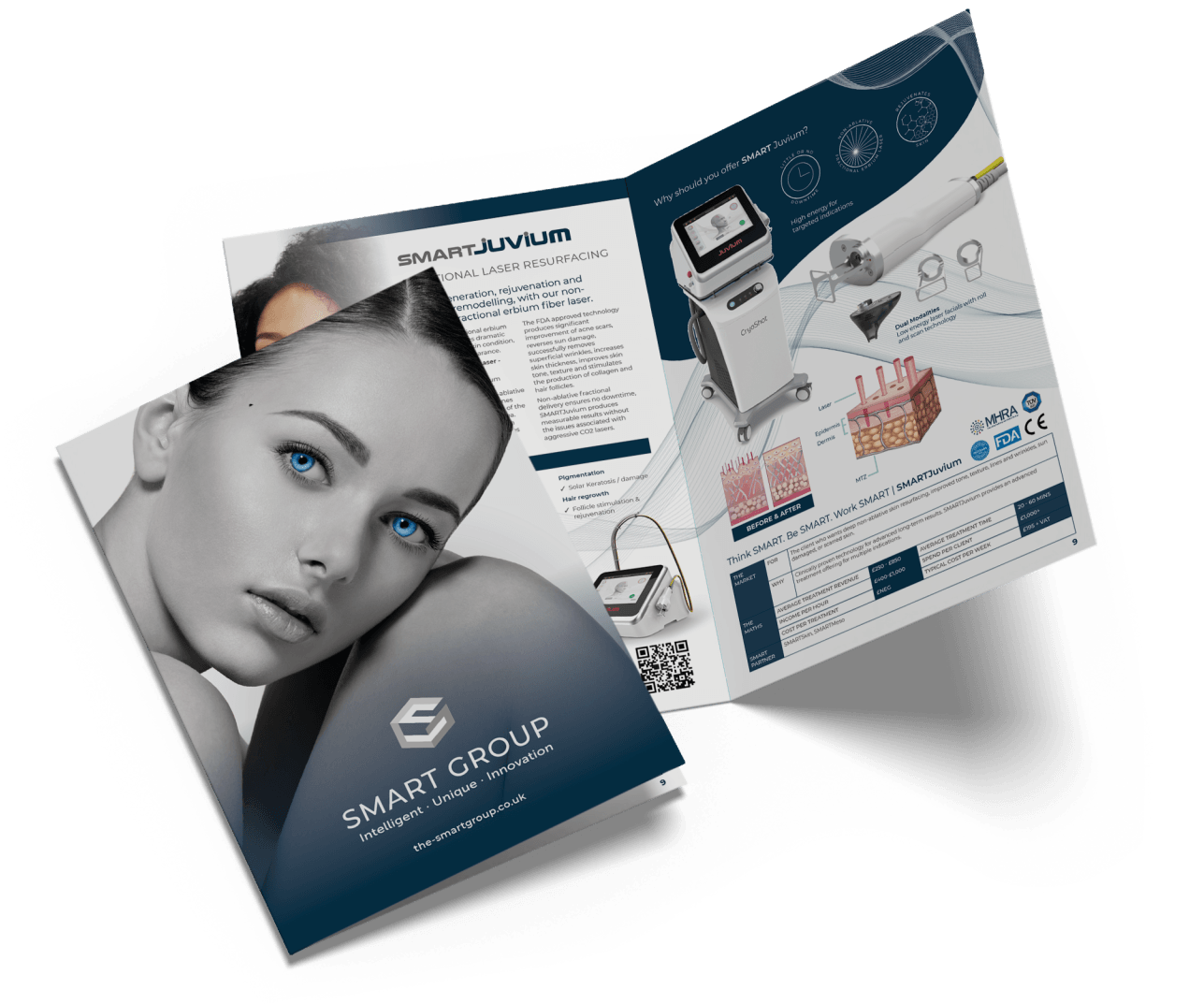

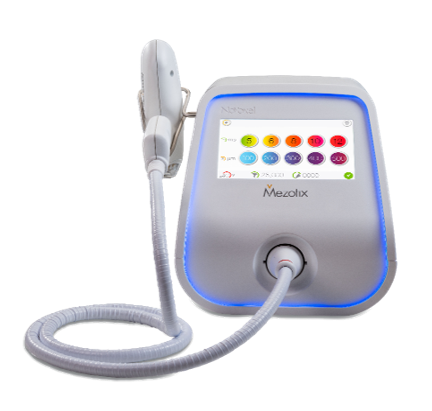
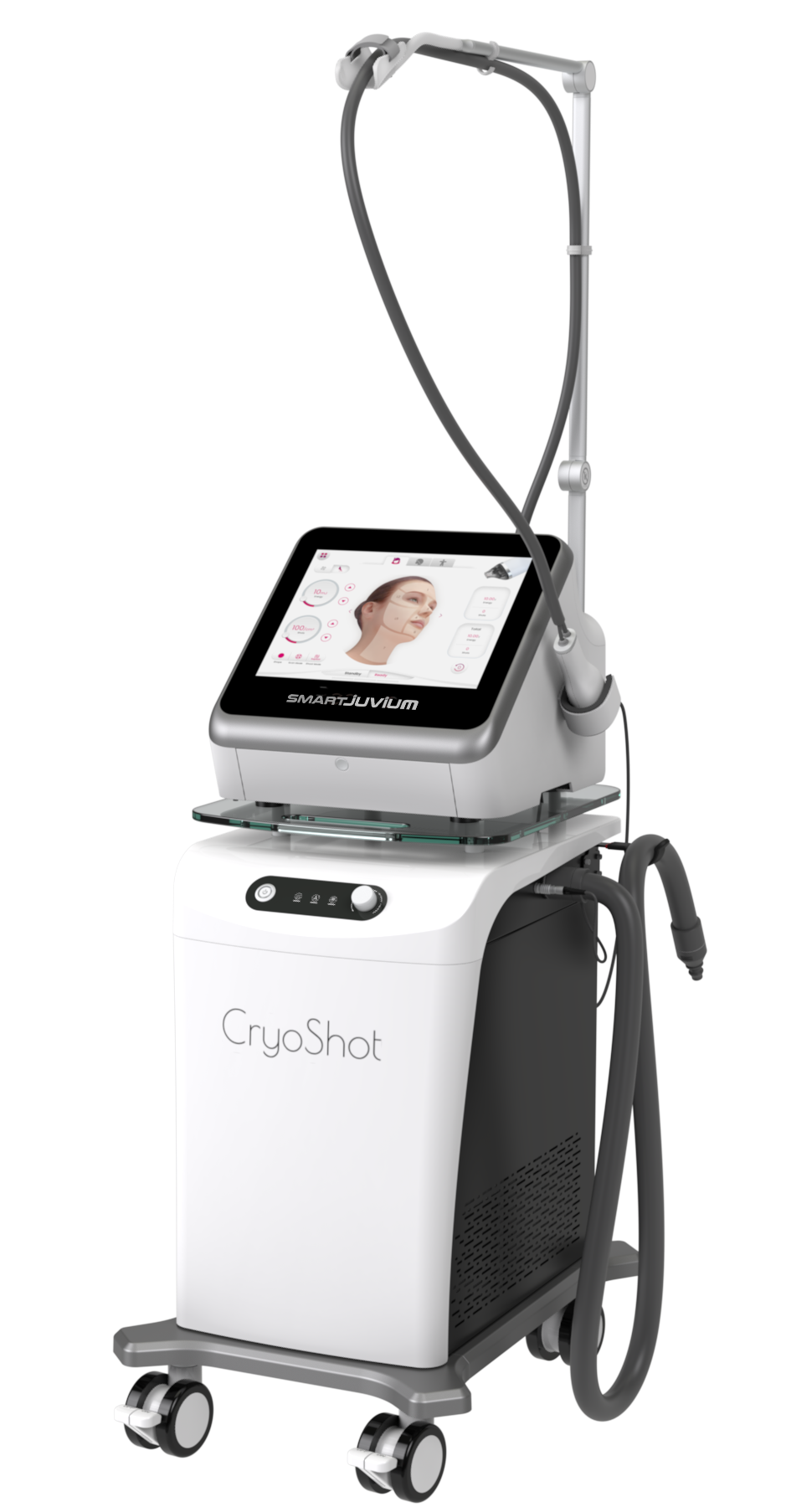
SMARTJuvium
Skin Resurfacing
Fractional Erbium Fiber Laser
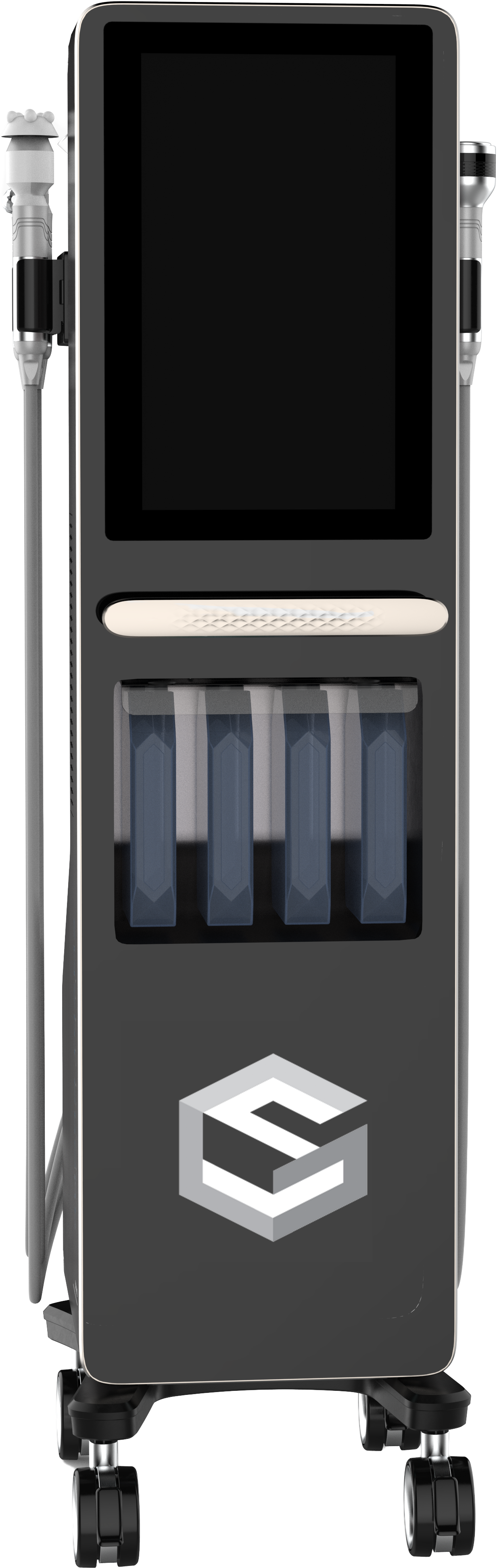
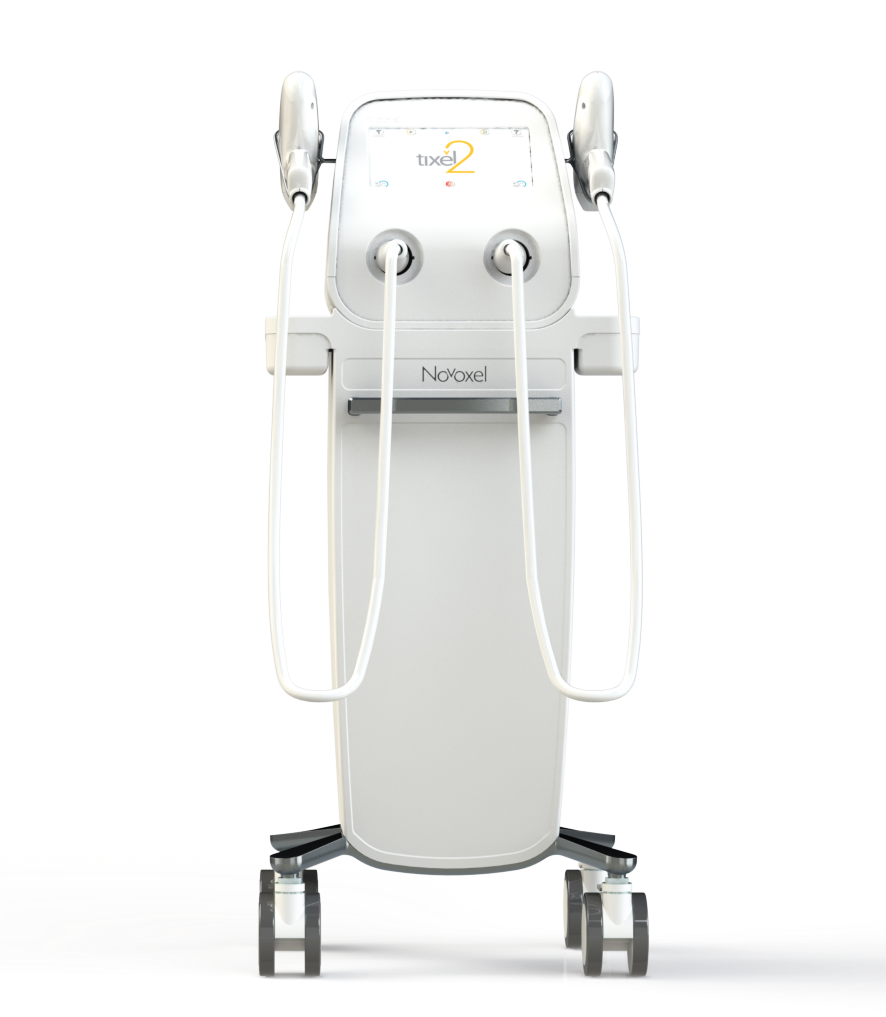
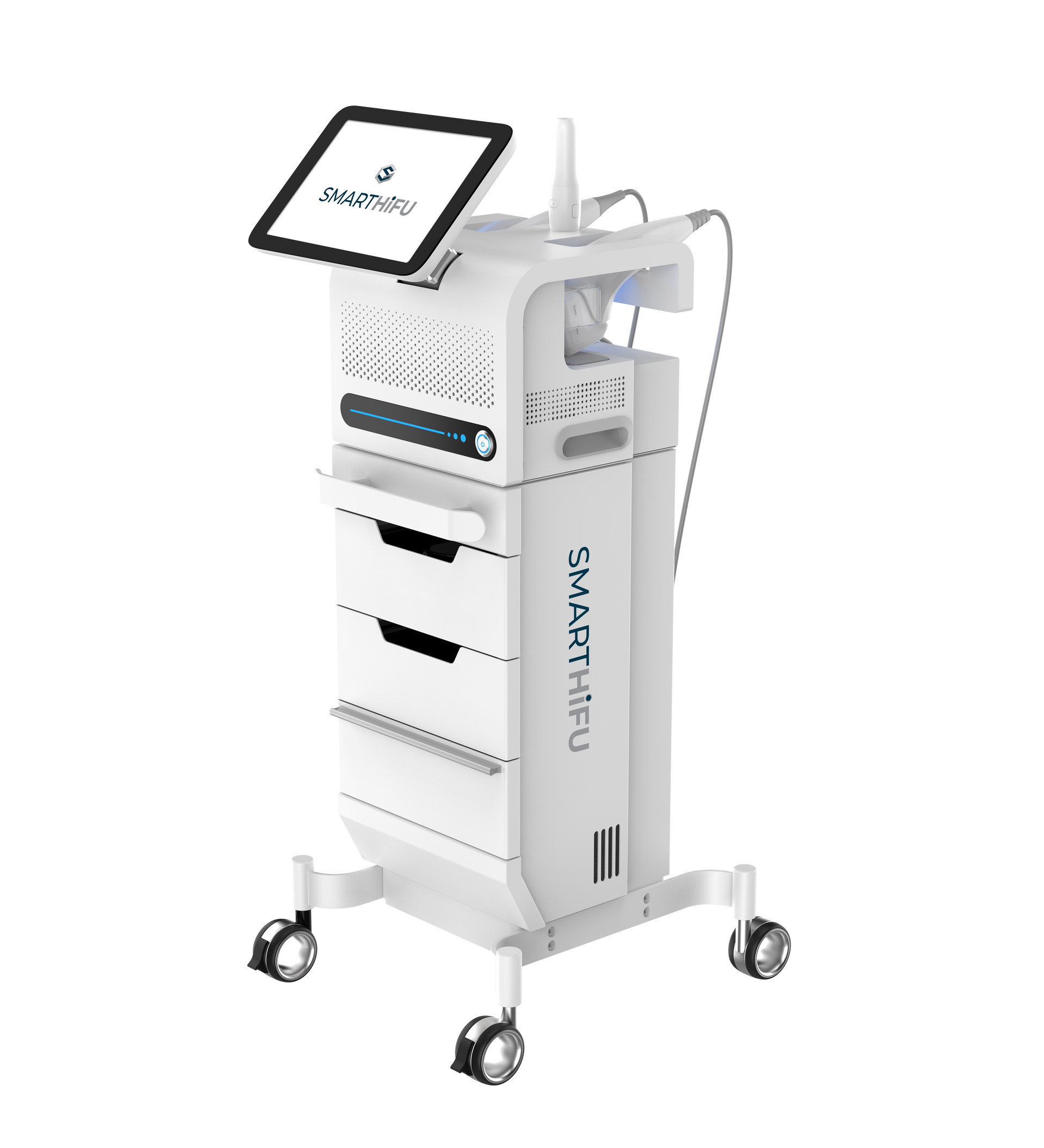
SMARTULTRAFacial
Hydrodermabrasion
The 360° Approach to Amazing Skin
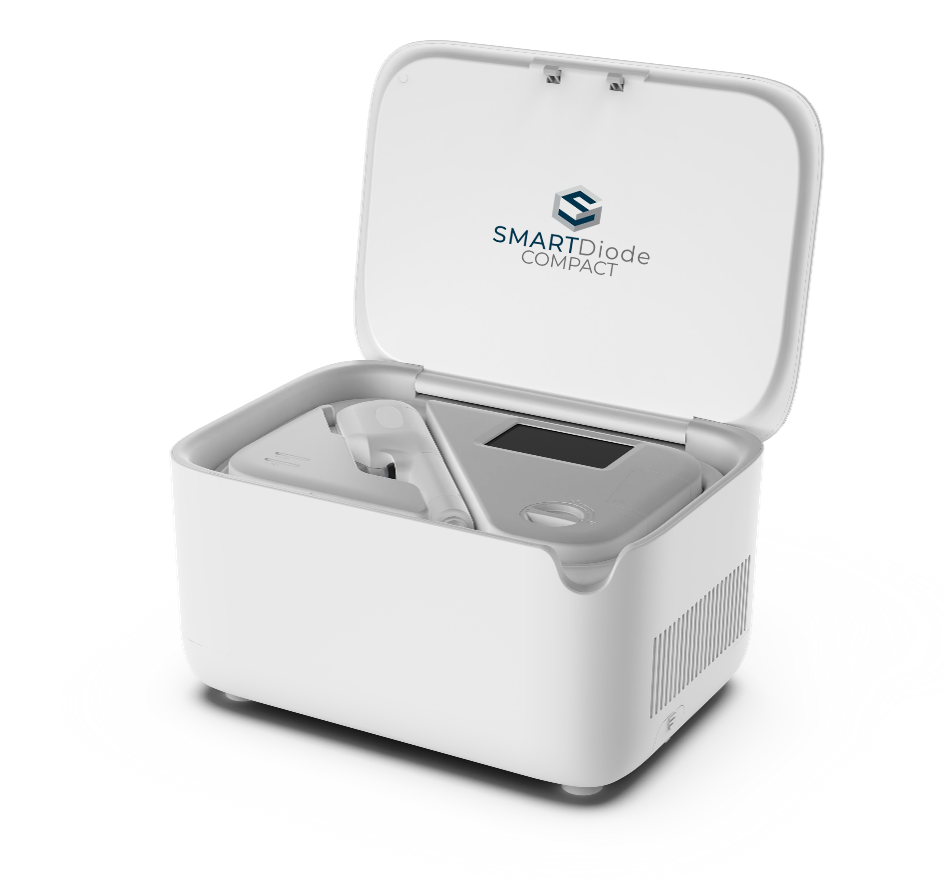
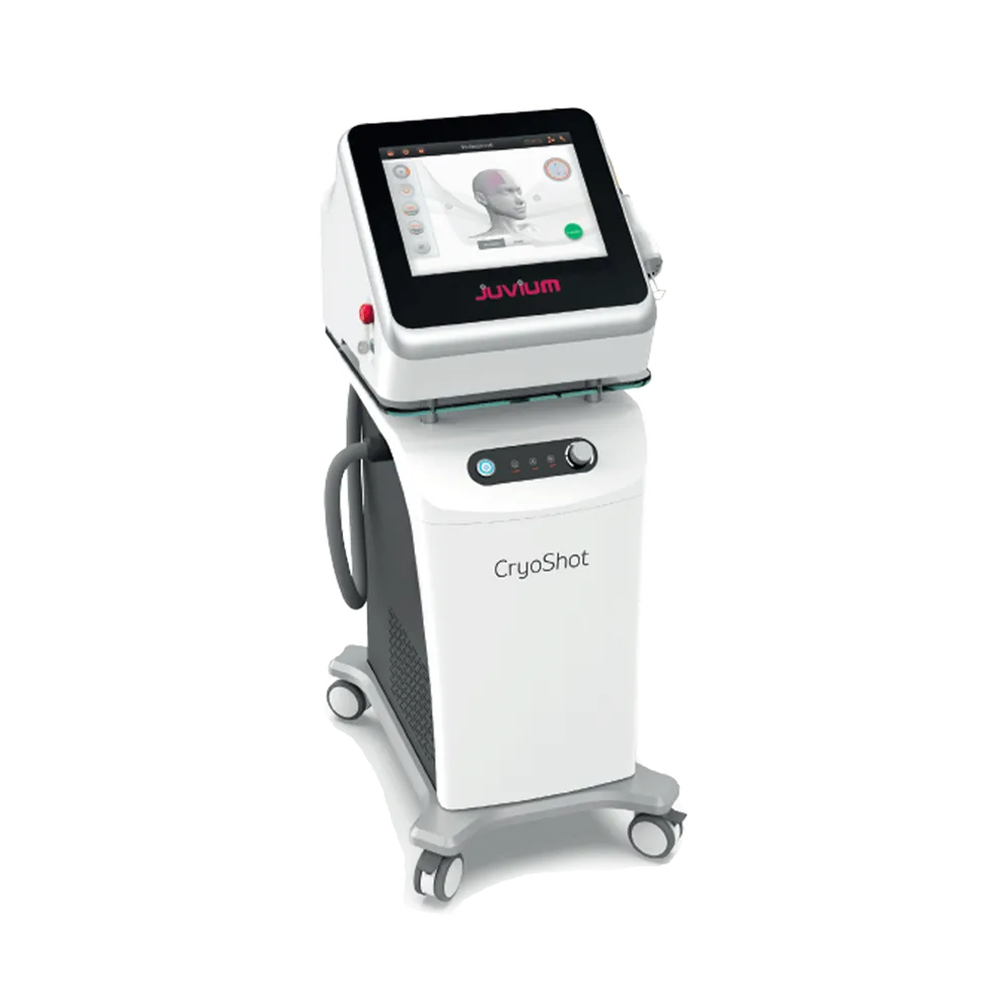
SMARTJuvium
Skin Resurfacing
Fractional Erbium Fiber Laser
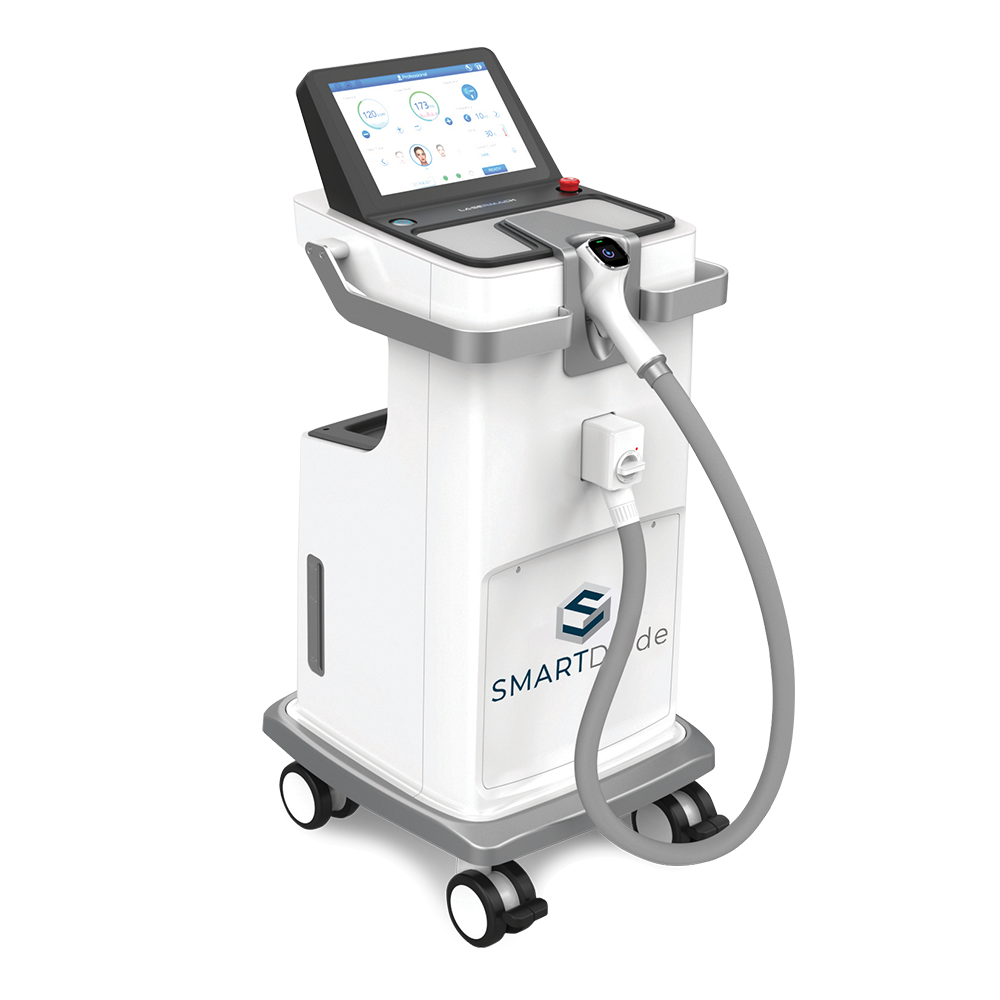
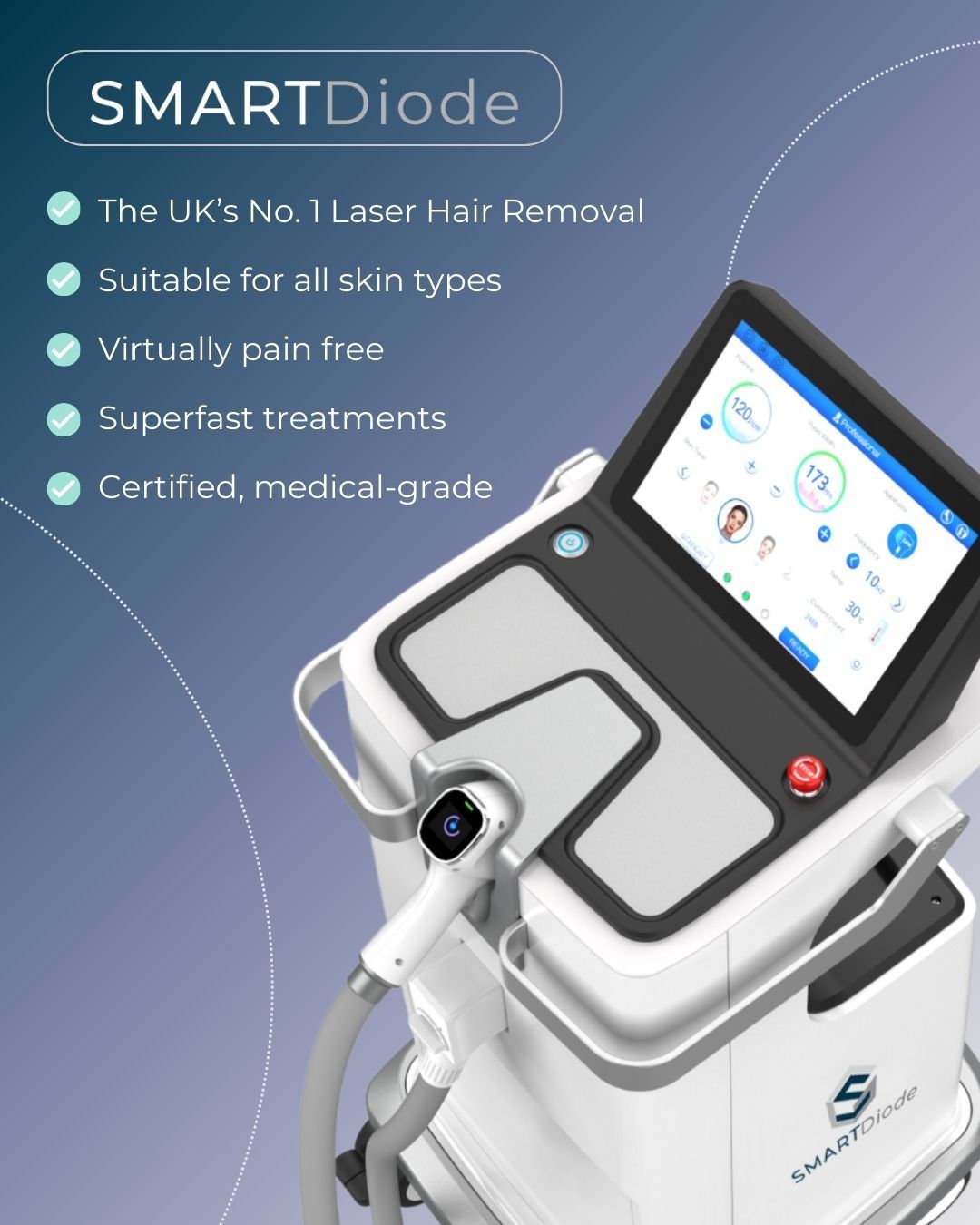
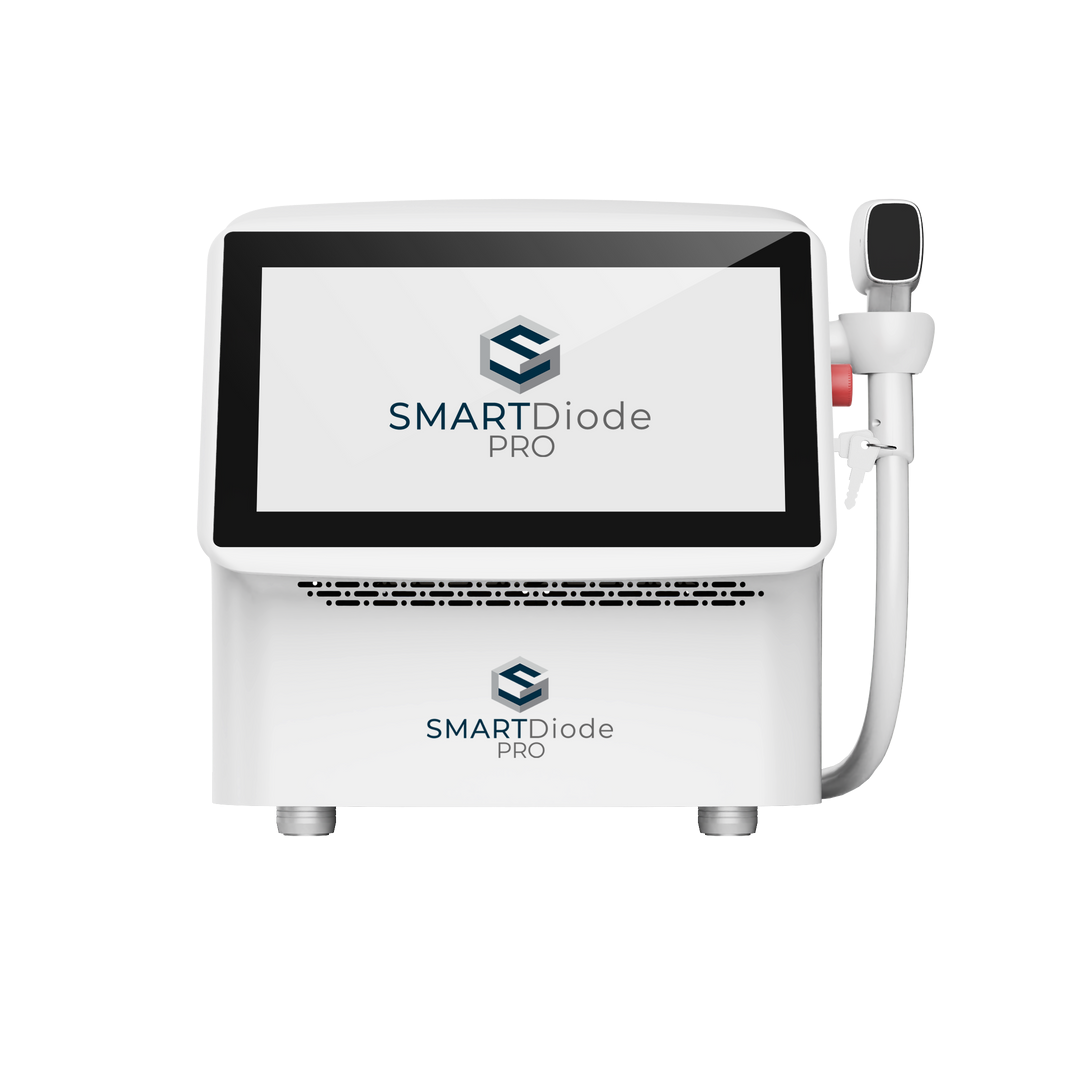
SMARTDiode
Hair Removal
Best in Class Diode Laser
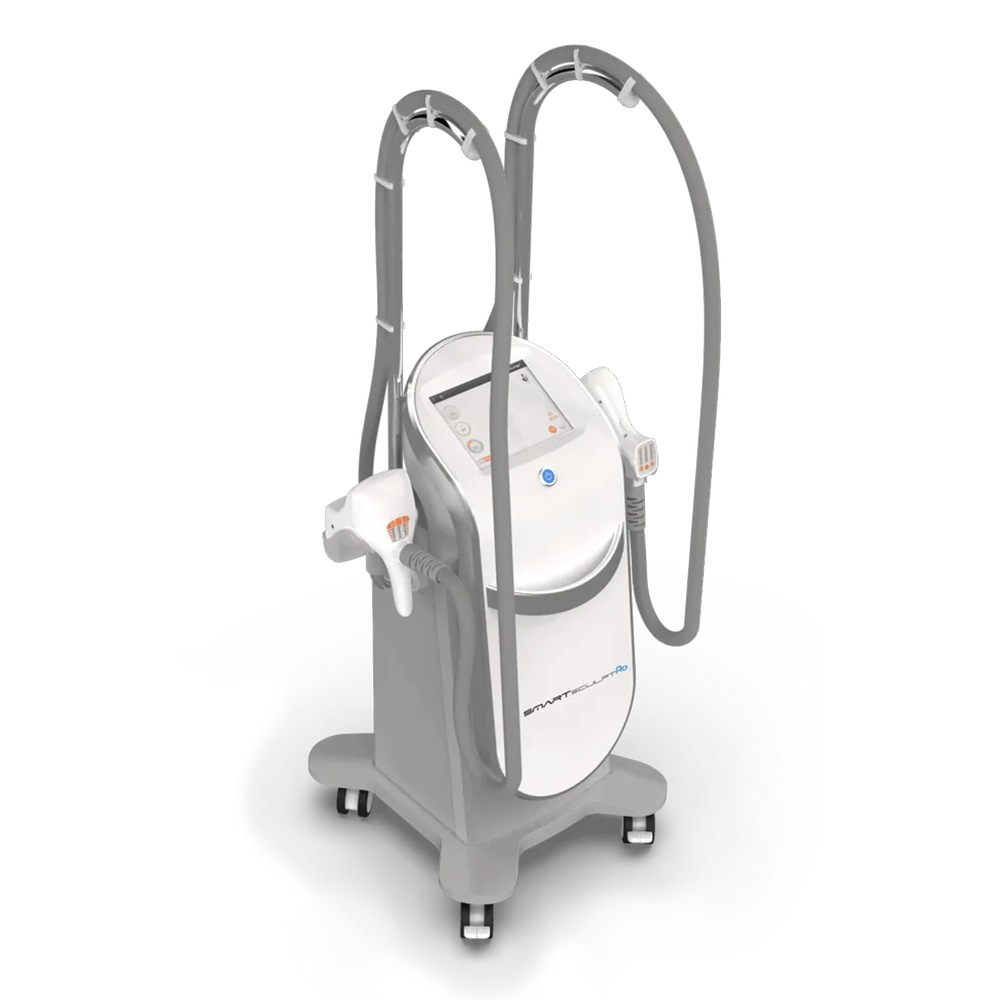
SMARTSculpt Pro
Body Contouring
Multi-Technology Platform
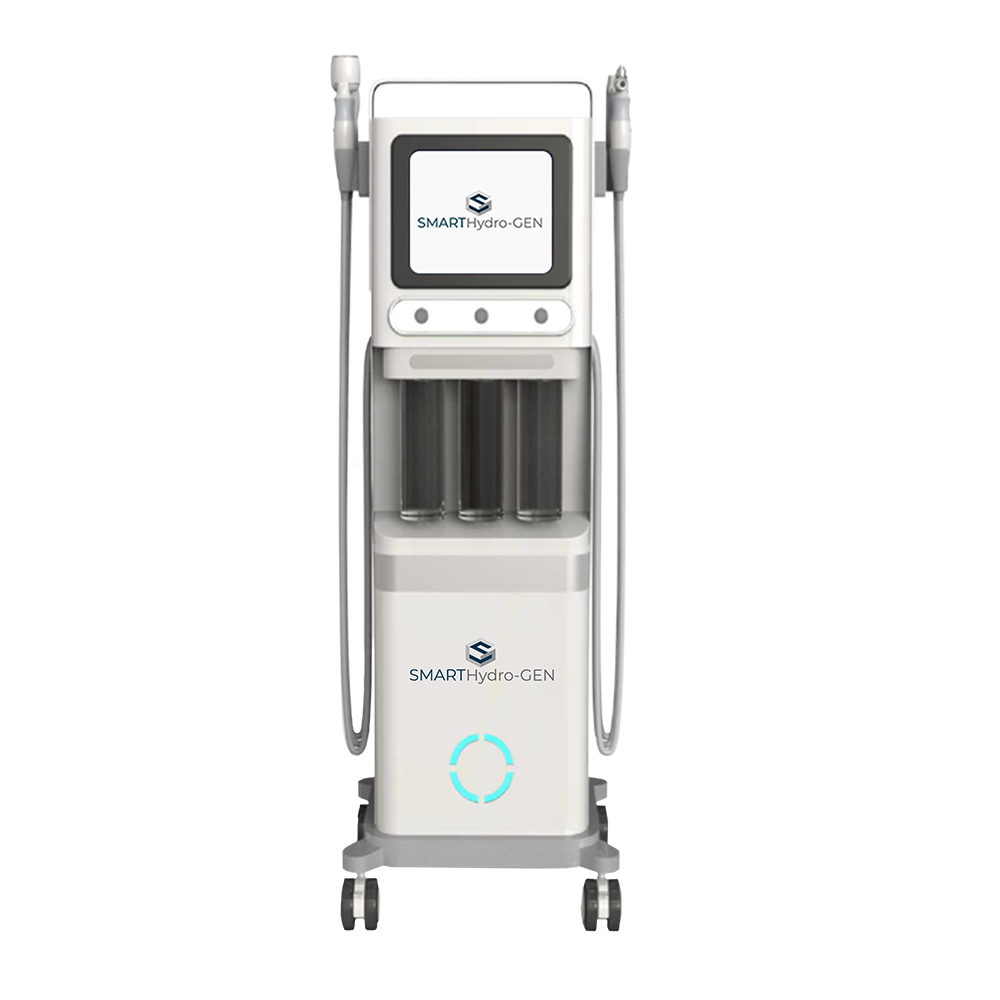
SMARTHydro-GEN
Multi-Technology With Hydrodermabrasion
The 360° Approach to Amazing Skin

SMARTHydro-GEN
Hydrodermabrasion
The 360° Approach to Amazing Skin
SMARTSculpt Pro
Body Contouring
Multi-Technology Platform
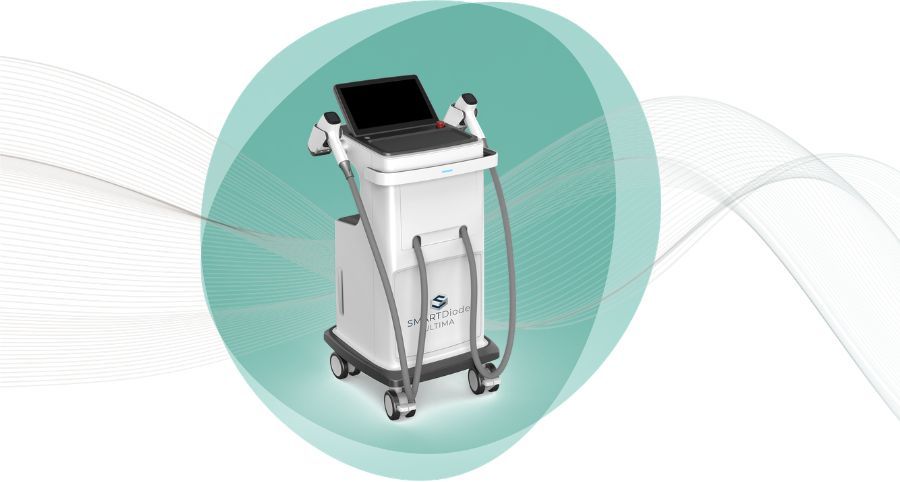
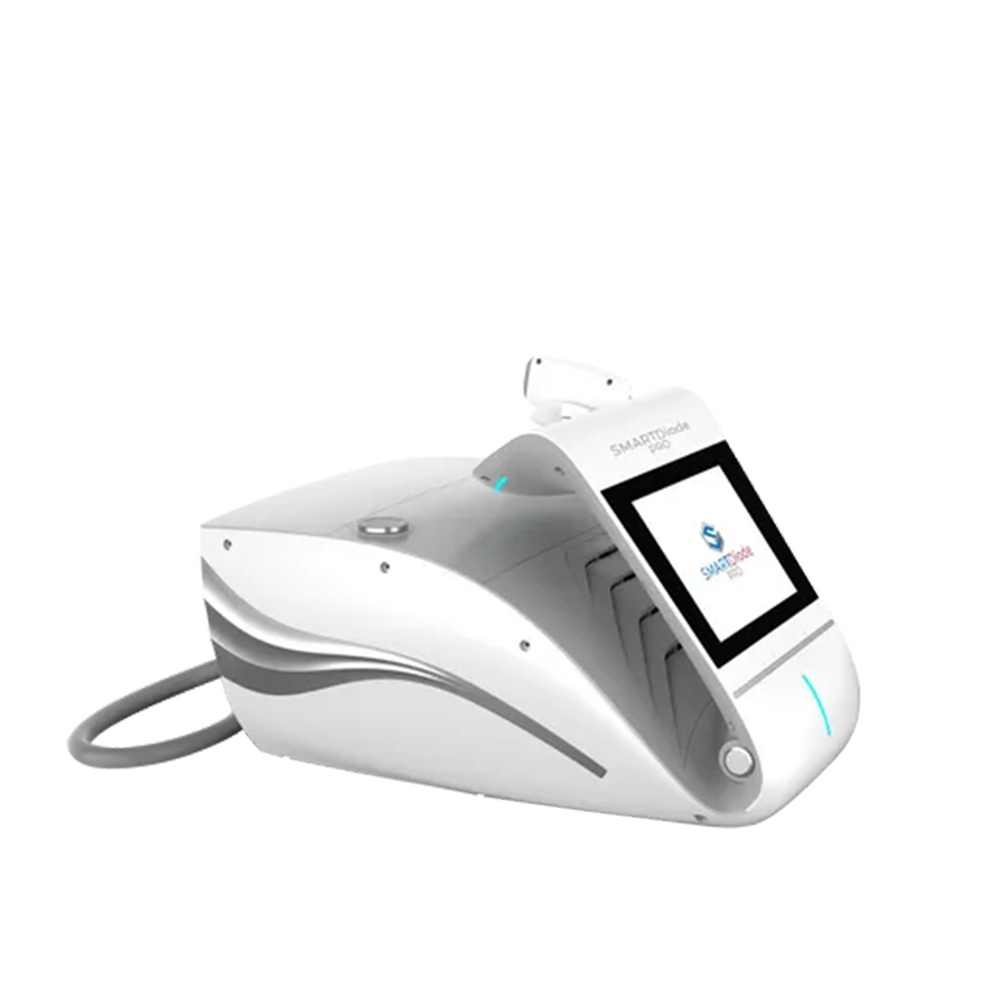
We’re excited to introduce SMARTDiode ULTIMA – the next generation of SMARTDiode technology and the most advanced laser hair removal platform we have ever brought to our customers. Created for specialist and expert clinics that refuse to compromise , ULTIMA brings together outstanding performance, exceptional client comfort and greater treatment flexibility in one premium professional platform. It represents an exciting evolution of our laser offering and gives established clinics the technology to deliver an even higher standard of laser hair removal. Taking professional laser hair removal to the next level Laser hair removal continues to be one of the most in-demand treatments in aesthetics. But as the market becomes increasingly competitive, simply offering laser hair removal is no longer enough. Clients expect excellent results, greater comfort and a premium experience, while clinics need technology that allows practitioners to work efficiently, confidently and adapt treatments to the individual client. That is exactly where SMARTDiode ULTIMA comes in. ULTIMA delivers 20% more laser power , with up to 120 J/cm², alongside pulse widths up to 60% shorter. Advanced sensor-controlled cooling provides a 25% improvement in cooling efficiency, while Super Cooling Mode has been designed to maximise client comfort throughout treatment. Clinics also have the flexibility of triple and single wavelength options across 755nm, 808nm and 1064nm , together with dual handpieces and multiple spot sizes to provide both fast treatment coverage and precision when working on smaller areas. But ULTIMA isn't only about what's happening beneath the skin. From handpieces that are 30% lighter to reduce therapist fatigue, to quieter operation, intelligent software, customisable treatment parameters and Smart Cloud diagnostics, the platform has been selected with the day-to-day realities of running a busy professional clinic in mind. Built for clinics that want to lead For us, SMARTDiode ULTIMA is about giving ambitious clinics the opportunity to differentiate their laser offering rather than compete in an increasingly crowded market on price alone. As our CEO, Josh Yardley, explains: “ULTIMA represents the next generation of SMARTDiode and, we believe, the strongest laser platform we have ever brought to our customers. We know what specialist and expert clinics expect from their technology – outstanding performance, reliability and an exceptional client experience – and ULTIMA delivers at that level.” ULTIMA is also supported by our three-year fix-or-replace warranty , helping protect your investment and keep one of your clinic's most important revenue-generating devices operational.

We’re delighted to announce an exciting new partnership between Smart Group Medical and Wigmore Medical, with Wigmore appointed as our exclusive pharmacy partner for AQ Skin Solutions in the UK.
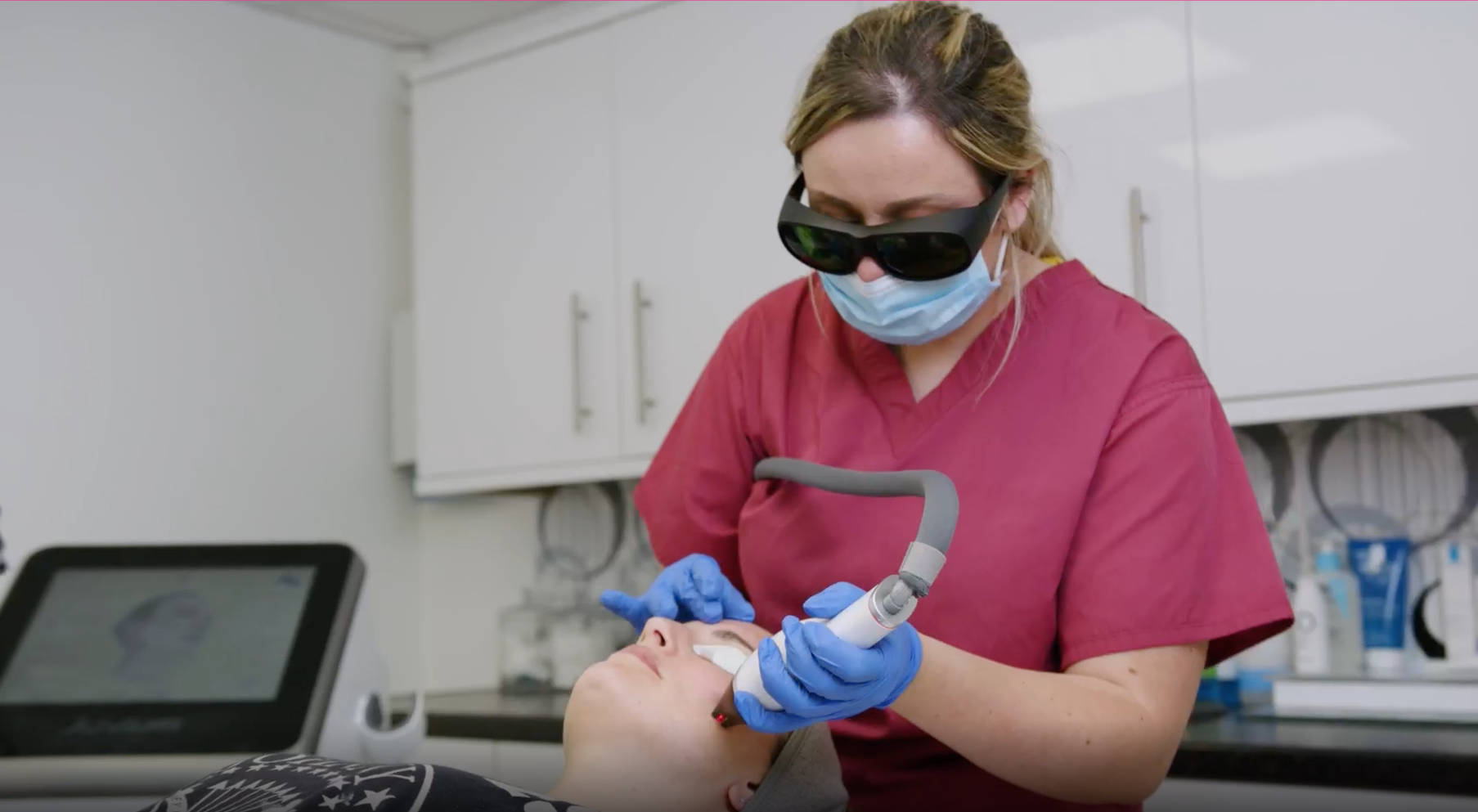
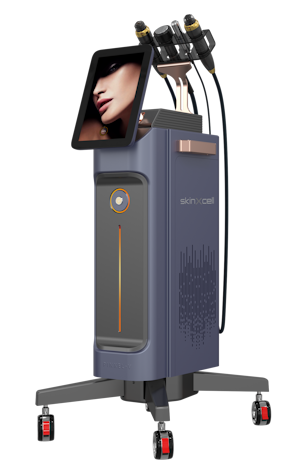
The Experience Economy: Why Clients Remember How You Made Them Feel The beauty industry has never been more competitive. Clients have more choice than ever before, with new salons and treatment providers emerging all the time. Great results are essential, but they're no longer the only thing that keeps clients coming back. Today's clients are investing in the entire experience. From the moment they enquire to the follow-up after their treatment, every interaction shapes how they perceive your salon and whether they'll recommend it to others. Luxury Is About Feeling Valued Creating a premium experience doesn't require a luxury fit-out or expensive décor. More often, it's the little things that make the biggest impression: greeting clients by name, running on time, listening carefully to their concerns and making them feel genuinely looked after. These moments build trust and set your salon apart in a crowded market. The Consultation Sets the Tone A great client journey starts with a thoughtful consultation. Rather than jumping straight into recommending treatments, take the time to understand your client's goals, explain realistic outcomes and create a treatment plan that's right for them. This approach builds confidence while positioning you as a trusted expert, not just a treatment provider. For advanced technologies such as collagen induction therapy) or high intensity focused ultrasound, consultations also give you the opportunity to educate clients on how treatment programmes work and why a personalised approach delivers the best long-term results. Don't Forget the Follow-Up The client experience shouldn't end when they walk out of the door. A quick message the next day, personalised aftercare advice or checking in on their progress shows clients that you genuinely care about their results. These simple touch-points take very little time but can significantly increase trust, satisfaction and repeat bookings. Technology Should Support the Experience Advanced technology doesn't just improve treatment outcomes. It helps create an experience that clients feel confident investing in. Whether you're delivering bespoke skin programmes with SkinXcell or offering comprehensive facial treatments with UltraFacial, the right technology allows you to personalise treatments, deliver consistent results and give clients confidence they're receiving high-quality care. Combined with expert knowledge and excellent customer service, technology becomes part of the overall experience, rather than simply the treatment itself. Turning Clients Into Advocates Loyal clients aren't created by one great treatment alone. They're created through consistent, positive experiences that make people feel understood, cared for and confident in your expertise. In an industry where recommendations carry so much weight, creating memorable experiences is one of the most valuable investments a salon can make. Because while clients may first visit for the treatment, it's the experience that keeps them coming back.
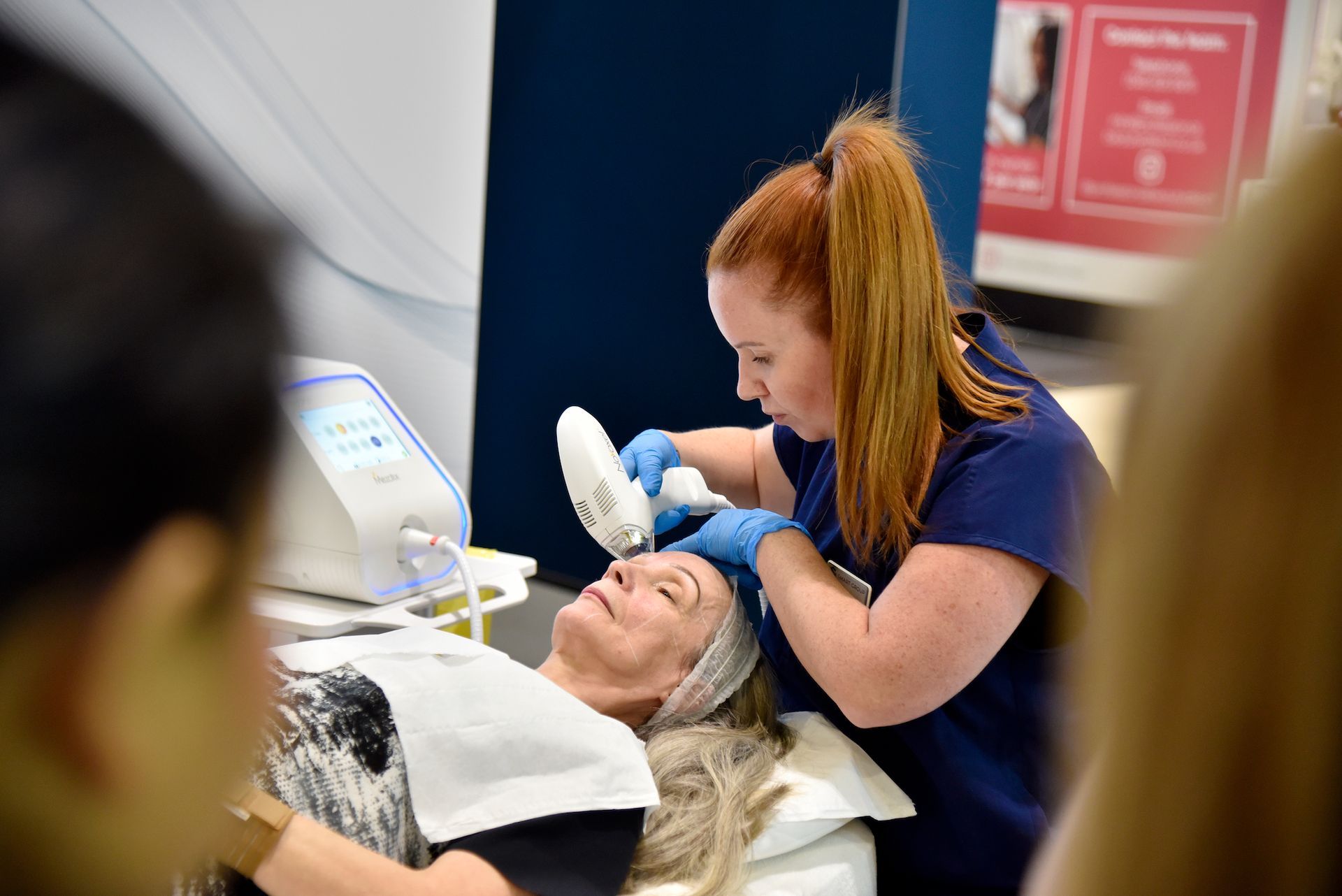
For years, aesthetic treatments have focused on improving the skin's current condition, addressing concerns such as fine lines, pigmentation and loss of firmness.
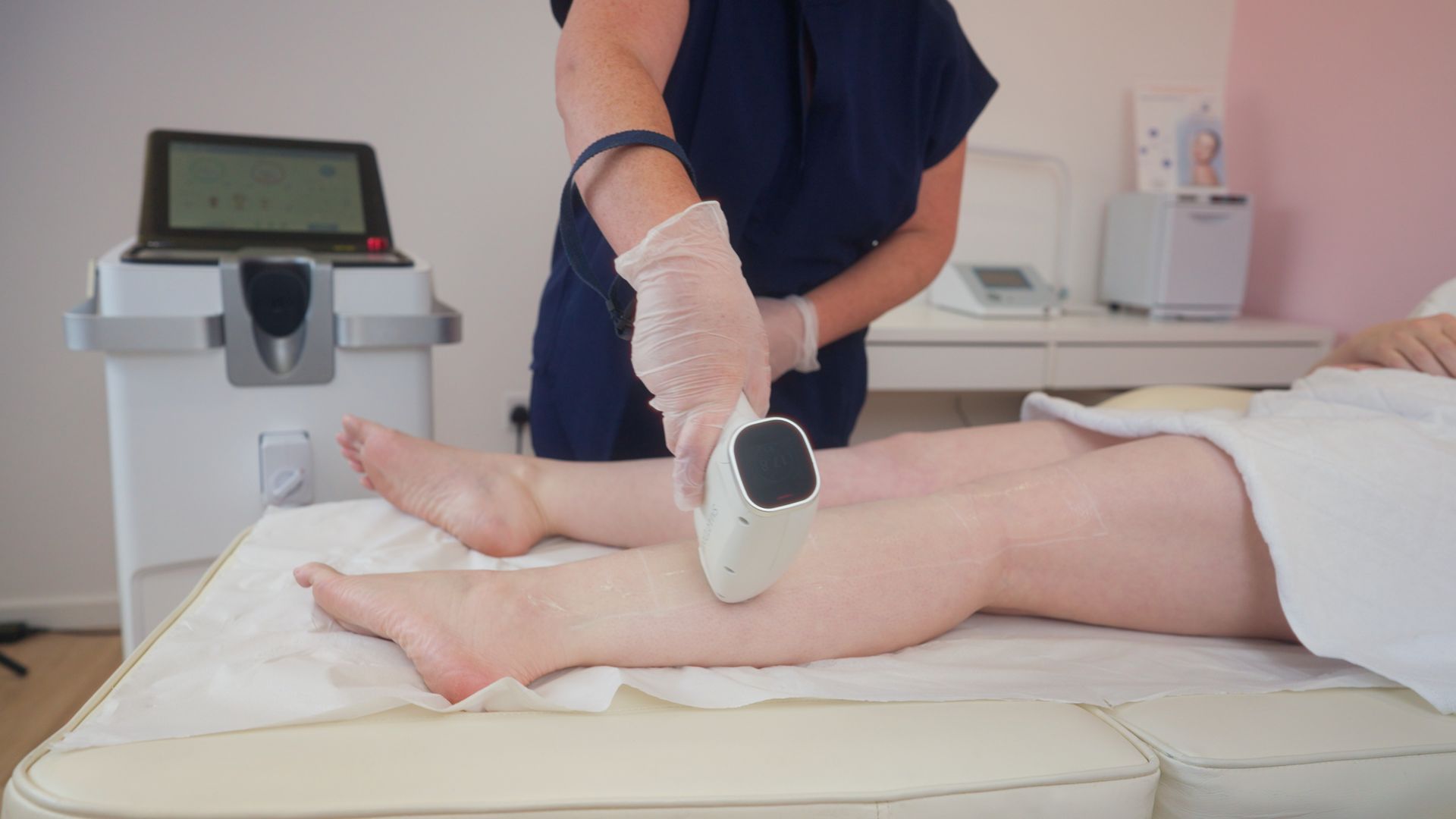
The aesthetics industry has spent years talking about laser hair removal in terms of technology. More power. Faster treatment times. Better cooling. Larger spot sizes. While these innovations have undoubtedly improved clinical outcomes, they've also distracted attention from a far more important question: What actually drives growth for a clinic? The answer isn't simply owning a better laser. In today's market, where many clinics have access to excellent technology, competitive advantage is shifting away from the device itself and towards how that technology is used to improve profitability, efficiency and client retention. That's a significant change in thinking, and it's one that many businesses are still overlooking. Laser Hair Removal Has Become a Business Strategy For many clinics, laser hair removal is the treatment that introduces a client to the business. A course typically involves six to eight appointments, creating months of regular contact rather than a single transactional visit. That's a commercial opportunity that shouldn't be underestimated. Every appointment allows practitioners to strengthen relationships, educate clients and identify other concerns they may not have originally booked to address. The clinics generating the greatest long-term value are no longer viewing laser as a standalone treatment; they're using it as the beginning of a wider patient journey. As client acquisition costs continue to rise and competition becomes increasingly local, maximising the lifetime value of existing clients is often more profitable than continually chasing new enquiries. Faster Treatments Don't Just Benefit Patients When manufacturers talk about speed, the conversation usually centres around patient convenience. While shorter appointments are undoubtedly attractive, the commercial impact for clinics is arguably far more significant. Reducing treatment times creates additional capacity without increasing staffing levels or extending clinic hours. Over the course of a year, those seemingly small efficiencies can translate into hundreds of additional appointment slots, improved utilisation of expensive equipment and greater revenue potential from the same physical space. Technology should therefore be assessed not only by how quickly it treats a patient, but by how effectively it improves the productivity of the business behind it. Stop Buying Technology. Start Solving Problems. One of the biggest misconceptions in aesthetics is that growth comes from continually investing in the latest device. In reality, successful clinics rarely buy equipment simply because it's new. They invest because it solves a commercial challenge, whether that's increasing capacity, improving patient satisfaction, reducing treatment times or opening opportunities for complementary treatments. The question isn't "Is this better technology?" It's "Will this make our business stronger?" That shift in thinking often separates clinics that consistently grow from those that continually compete on price. Looking Ahead Laser hair removal will continue to evolve, and advancements in speed, comfort and technology will remain important. However, the clinics that lead the next phase of the industry are unlikely to be those with the longest list of devices. They'll be the businesses that understand technology is only valuable when it delivers measurable commercial outcomes. The future of laser hair removal isn't simply faster treatments, better experiences and smarter technology. It's using those advancements to build a more profitable, efficient and resilient clinic.
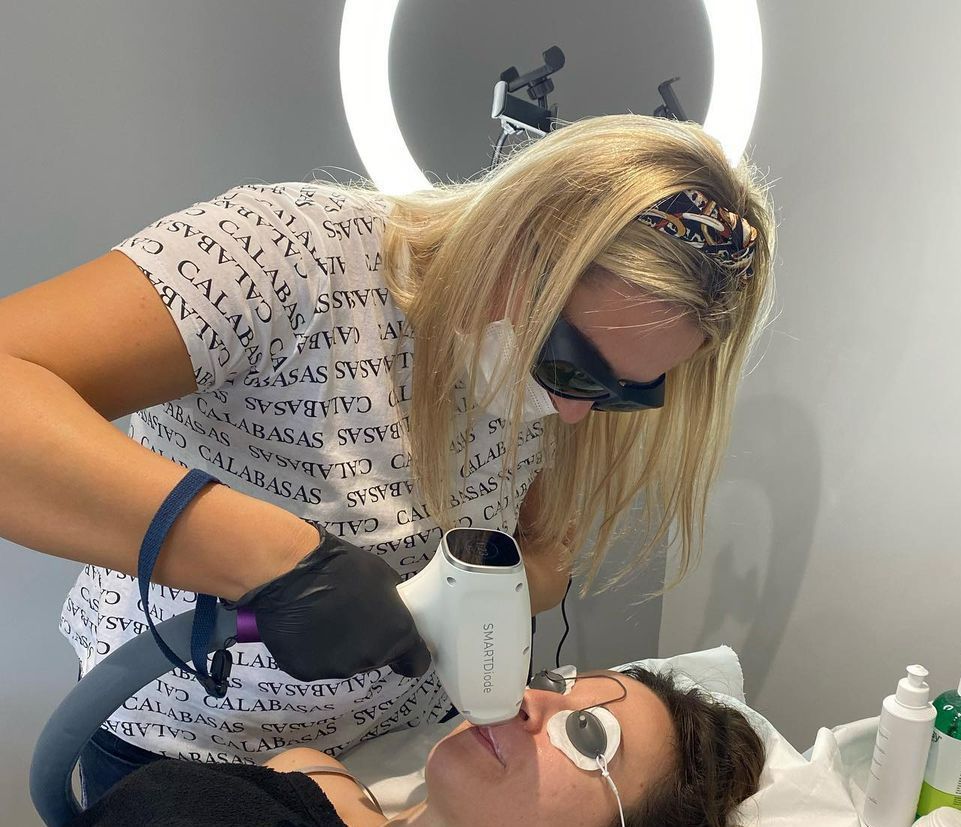
You’ve Built a Successful Laser Business… What Comes Next? For many salon owners, laser hair removal has been a game-changing addition to their business. It attracts committed clients, creates opportunities for treatment programmes, and generates reliable recurring revenue. But once your laser offering is established and performing well, an important question often follows: What comes next? As the aesthetics industry continues to evolve, many successful laser businesses are looking for ways to expand their treatment menu, increase client spend, and strengthen client retention. For some, the answer lies in a natural next step: skin. Is Skin Your Thing? If you've already built a loyal client base through laser hair removal, chances are many of those clients are interested in more than just hair reduction. They're also concerned about skin health, ageing, pigmentation, acne scarring, texture, redness, and overall skin quality. By introducing advanced skin treatments, salons can begin serving a wider range of client concerns while building on the trust they've already established. The beauty of adding skin treatments is that you're often speaking to the same client. Instead of constantly searching for new customers, you're expanding the services available to the people who already know and trust your business. Increase Client Spend Without Increasing Footfall Growing a business doesn't always mean attracting more clients. Sometimes the biggest opportunity comes from increasing the value of each client journey. Advanced skin treatments can help create treatment plans that span multiple appointments, support ongoing maintenance programmes, and introduce complementary retail opportunities. This allows salons to increase revenue per client while delivering a more comprehensive treatment experience. Rather than being known for one service, you become a destination for results-driven aesthetic treatments. Strengthen Client Retention The most successful aesthetic businesses understand that retention is often more valuable than acquisition. While laser hair removal naturally creates repeat visits, advanced skin treatments can provide even more opportunities for long-term client relationships. Many skin concerns require ongoing treatment plans, seasonal maintenance, or progressive treatment journeys. This creates regular touchpoints with clients and helps keep your business front of mind long after their laser course has finished. When clients can achieve multiple goals under one roof, they're less likely to look elsewhere. Become a Destination Salon Today's clients are increasingly looking for clinics and salons that offer expertise rather than individual treatments. They want personalised recommendations, treatment plans tailored to their concerns, and a trusted professional who can guide them through their aesthetic journey. Expanding into skin allows your salon to position itself as a destination for advanced aesthetic treatments rather than simply a laser provider. This not only enhances your reputation but can also help differentiate your business in an increasingly competitive market. Why Advanced Skin Treatments? For salons considering their next move, advanced skin technologies can offer several advantages: High-value treatment programmes Strong profit margins Growing consumer demand Opportunities to treat multiple skin concerns Increased client retention Enhanced business positioning Treatments such as RF microneedling, skin rejuvenation, skin tightening, collagen stimulation, and advanced facial treatments are becoming increasingly popular as clients seek visible, long-term results. Building on Your Success The skills, consultation process, and client relationships you've developed through laser hair removal have already laid the foundation for growth. Adding advanced skin treatments isn't about starting again—it's about building on what's already working. For many salon owners, expanding into skin has become the natural next chapter in their business journey. It's an opportunity to increase revenue, strengthen client loyalty, and position your salon as a leader in advanced aesthetic treatments. So if your laser business is thriving and you're thinking about the future, perhaps it's time to ask yourself: Is skin your thing?